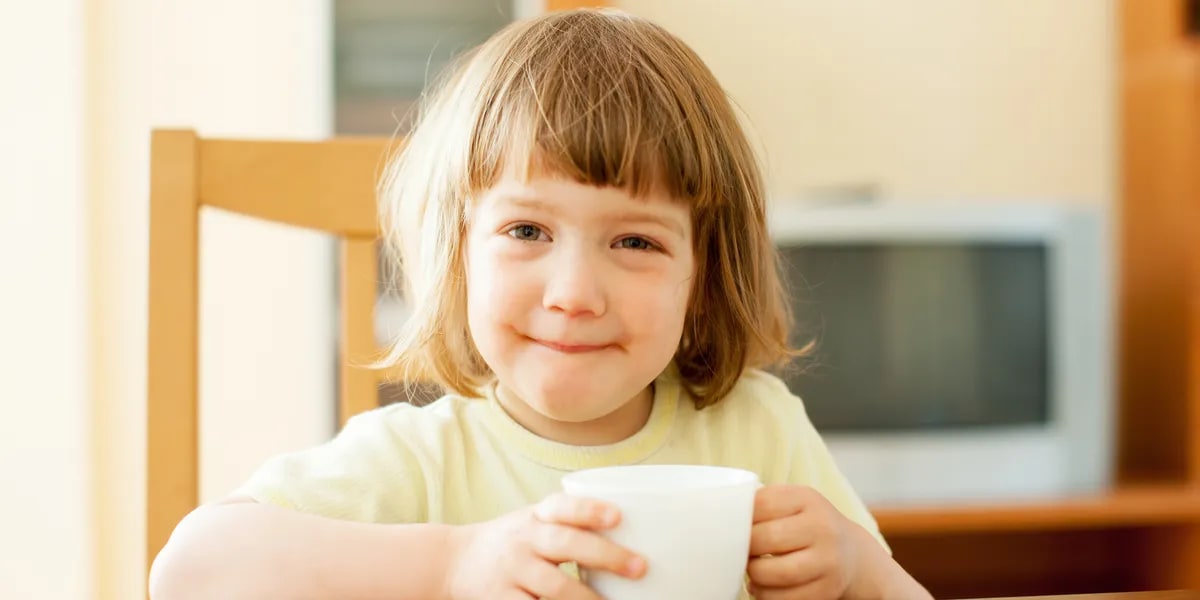
Ich bin ehrenamtlich in einer kleinen Gemeinde tätig, und wir organisieren oft Veranstaltungen für Kinder in Pflegefamilien.
Wir bringen Windeln, Spielzeug, Bücher und ein paar Kleider für die Kinder mit.
Ich mache das seit vielen Jahren, seitdem mein Mann und meine Tochter bei einem Autounfall ums Leben kamen.
Ich wäre fast verrückt geworden vor Trauer und wusste nicht, wie ich weiterleben sollte.
Da kam ich zur Kirche und fing an, ehrenamtlich zu arbeiten.
Dann kam eines Tages, als wir Spielzeug zu einer Kindergruppe brachten, der Moment, in dem ich sie traf.
Ein kleines Mädchen namens Lily saß ganz allein, während alle anderen Kinder spielten.
Eine der Sozialarbeiterinnen erzählte mir, dass Lily erst 3 Jahre alt war, aber bereits seit einiger Zeit in Pflegefamilien lebte, und fünf Familien hintereinander hatten erwogen, sie zu adoptieren, dann aber abgebrochen.
Ich konnte nicht verstehen, wie jemand so ein wundervolles kleines Mädchen treffen und einfach gehen konnte.
Dann sah ich sie an, und etwas in mir schnappte ein.
Ich sagte sofort:
"Bitte sagt mir, was ich tun muss. Ich möchte sie adoptieren."
Alle starrten mich an wie verrückt.
Ich war 68 Jahre alt, lebte allein, und hatte seit Jahren kein kleines Kind mehr im Arm gehalten.
Aber ich folgte einfach meinem Herzen.
Nach langen Monaten voller Papierkram adoptierte ich Lily endlich und brachte sie nach Hause.
Zum ersten Mal seit vielen Jahren fühlte sich mein Haus wieder lebendig an.
Lily lachte viel, und sie brachte mich auch zum Lachen.
Spielzeug war überall im Haus verstreut, und manchmal erinnerte sie mich sogar an meine verstorbene Tochter.
Gott, ich liebte sie wie meine eigene Tochter vom allerersten Moment an.
Es fühlte sich an, als würde sie mich genauso brauchen, wie ich sie brauchte.
Mein Herz hatte mich nicht in die Irre geführt.
Aber ein paar Monate später bekam ich einen Anruf von dem Anwalt, der Lilys Adoption abgewickelt hatte.
Seine Stimme zitterte.
"Frau Wilson, es wurden zusätzliche Dokumente in Lilys Aktensätzen gefunden. Ich weiß gar nicht, wie ich anfangen soll... Könnten Sie schnellstmöglich in mein Büro kommen?"
Ich schnappte mir meine Autoschlüssel und eilte in sein Büro.
Ich ging hinein und setzte mich ihm gegenüber, ohne zu wissen, was mich erwartete.
Er sah ungewöhnlich ernst aus.
"Diese Dokumente betreffen die fünf Familien, die sich früher weigerten, Lily zu adoptieren. Sie waren nicht in den Unterlagen enthalten, die wir ursprünglich erhalten hatten. Es tut mir so leid..."
Mein Herz begann zu rasen.
"Was meinst du damit?"
Er öffnete langsam den Ordner.
"Ich glaube, du musst wissen, warum diese Familien sich wirklich weigert haben, sie zu adoptieren."
Ich sah auf die erste Seite.
Dann, auf der dritten Seite, blieb mein Blick auf etwas hängen.
Meine Hände begannen zu zittern, und ich schrie auf:
"Oh mein Gott... wie konnten sie mir das vorenthalten?! Ich kann nicht glauben, was ich sehe! Das ist unmöglich!"
Der Anwalt lehnte sich zurück und wartete auf meine Reaktion.
"Lily ist nicht die biologische Tochter ihrer Mutter."
Ich blinzelte verwirrt.
"Aber... was hat das mit mir zu tun?"
"Es ist kompliziert, Frau Wilson. Sie müssen verstehen..."
"Nein, erklär mir einfach, was hier los ist!"
Der Anwalt räusperte sich.
"Lilys biologische Mutter war eine bekannte Schauspielerin. Sie verstarb vor zwei Jahren unter mysteriösen Umständen."
Mein Mund fiel offen.
"Eine Schauspielerin? Welche?"
"Das ist der Grund, warum diese Familien absagen. Sobald sie es erfuhren, bekamen sie Angst."
"Angst? Warum? Lily ist nur ein kleines Mädchen!"
"Die Schauspielerin starb, während sie Lily bei sich hatte. Es gab Gerüchte, Verschwörungstheorien. Manche behaupteten, der Tod sei nicht zufällig gewesen."
Ich schüttelte den Kopf.
"Das ist lächerlich. Das alles hat nichts mit Lily zu tun. Sie ist ein unschuldiges Kind."
"Das weiß ich. Aber es gibt noch mehr."
Ich starrte auf die Papiere.
"Was denn noch?"
"Lilys biologische Mutter hatte keine Versicherung, keinen großen Nachlass. Aber sie hatte... etwas hinterlassen."
"Was?"
"Ein Vertrauen. Ein großer Geldfonds, der Lilys Namen trägt. Es ist für ihre Erziehung gedacht. Die Summe ist... erheblich."
Plötzlich verstand ich alles.
Die anderen Familien waren abgesprungen, weil sie Angst vor den Gerüchten hatten und nicht das Risiko eingehen wollten, mit einem verstorbenen Star verbunden zu sein, der unter mysteriösen Umständen gestorben war.
"Wie viel Geld reden wir hier?", fragte ich.
"Etwa zwei Millionen Dollar."
Mein Kopf drehte sich.
"Aber... das ist nicht der Grund, warum ich Lily adoptiert habe."
"Das weiß ich."
"Ich bin nicht auf der Suche nach Geld. Ich bin zu alt für Geld. Ich möchte nur... Lily haben."
Der Anwalt nickte langsam.
"Das ist das erste Mal, dass ich jemanden treffe, der das sagt."
"Wann hättet ihr mir davon erzählen sollen?"
"Das hätte man tun sollen, bevor die Adoption finalisiert wurde. Das ist mein Fehler. Die Unterlagen waren vermischt. Ich habe sie erst gestern gefunden."
Ich sah ihn an.
"Was bedeutet das jetzt für Lily? Und für mich?"
"Es bedeutet, dass Lily eine sehr wohlhabende junge Dame ist. Das Geld steht unter Treuhand und wird für ihre Erziehung, Bildung und medizinische Versorgung verwendet. Alles Weitere wird freigegeben, wenn sie 18 Jahre alt wird."
"Und die Schauspielerin? Wer war sie?"
Er zeigte mir ein Foto.
Es war Melody Stone, eine bekannte Hollywood-Schauspielerin, die vor zwei Jahren angeblich bei einem Haushaltunfall ums Leben kam.
Mir wurde schwindelig.
"Warte. Das war meine Lieblings-Schauspielerin. Ich habe alle ihre Filme gesehen."
"Ja, sie war sehr beliebt."
Ich verarbeitete die Informationen langsam.
"Und die Gerüchte? Diese Verschwörungstheorien? Sind sie... wahr?"
"Nein", sagte der Anwalt fest. "Der Tod war ein Unfall. Das Ermittlungsteam schloss den Fall. Es war nur ein tragischer Unfall, und die Medien bliefen es auf."
"Also..."
"Also ist Lily völlig sicher. Sie ist kein Risiko. Sie ist nur ein Kind, deren Mutter leider starb."
Ich lehnte mich zurück und atmete tief durch.
"Ich bin erleichtert und wütend gleichzeitig."
"Warum wütend?"
"Weil jemand hätte mir das früher sagen sollen. Und jene Familien... sie hätten ihre Chance bekommen sollen, auch wenn sie Angst hatten. Aber stattdessen ließen sie Lily allein, weil sie Feigheit mit Geld verwechselten."
Der Anwalt nickte.
"Das verstehe ich."
"Aber sie haben mir die beste Gabe gegeben, ohne es zu wissen. Ich hätte Lily nie bekommen, wenn diese Familien nicht so feige gewesen wären."
Der Anwalt lächelte.
"Das ist wahr."
"Ich werde mit Lily über ihre Mutter sprechen, wenn sie alt genug ist. Aber es wird nicht das erste sein, was sie über sich selbst erfährt. Das erste wird sein, dass sie geliebt wird."
"Das ist das Beste, was du sagen könntest."
Ich verließ das Büro mit neuen Fragen, aber mit einem unerschütterlichen Herzen.
Lily war immer noch mein Lily.
Das Geld kümmerte mich nicht.
Die berühmte Mutter kümmerte mich nicht.
Was zählte, war das kleine Mädchen, das in meinem Zuhause wartete.
Als ich nach Hause kam, rannte Lily mir entgegen.
"Großmutter! Großmutter! Ich habe dich vermisst!"
Ich hob sie in die Luft und küsste ihre Stirn.
"Und ich habe dich vermisst, mein Schatz."
Sie kuschelte sich in meinen Hals.
"Wir können Plätzchen backen? Bitte?"
"Natürlich können wir Plätzchen backen."
Während wir gemeinsam in der Küche standen, trocknete Lily ihre Mehlhände an meinem Pullover ab, und wir lachten zusammen.
Das war alles, was ich brauchte.
Ein Kind, das lacht.
Eine Chance, noch einmal wichtig zu sein.
Eine zweite Chance am Leben.
Das Geld würde für Lilys Zukunft sorgen, ja.
Aber mein Herz hatte mir bereits alles gegeben, was ich brauchte.
Manchmal sind die besten Dinge im Leben nicht die, die man erwartet.
She wasn't acting out.
"Is she..." I started, then stopped. "Is she showing any of these behaviors now?"
"I don't know," David said. "But Mrs. Wilson, I need you to understand something. The FASD diagnosis is real. It's not going to go away. But the way it presents can vary enormously from child to child."
"So it's possible she won't develop these issues?"
"It's possible. Or they might emerge later as she gets older and faces more complex demands. Or they might already be there and just not visible yet."
I felt like I was falling.
"What do I do?" I whispered.
"First, I would recommend taking her to a developmental pediatrician. Someone who specializes in FASD. They can do a comprehensive evaluation and tell you what to expect."
"And if she does have serious behavioral issues? What then?"
David was quiet for a moment.
"Then you'll need to be prepared to get her the support she needs. Therapy, potentially medication, special education planning."
"The agency should have told me this from the day I asked about adopting her," I said bitterly.
"You're right. They should have. I'm going to file a formal complaint and find out exactly what happened. You may have grounds for legal action if you want to pursue it."
"I don't want legal action," I said. "I want answers."
I drove home in a daze.
My hands gripped the steering wheel so tightly that my knuckles turned white.
Lily was at preschool still, so I had two hours before I needed to pick her up.
I sat at the kitchen table and re-read all the documents David had given me.
The more I read, the more I realized how much I didn't know.
How much had been deliberately withheld.
How five families had looked at this little girl and decided she was too much work.
Too much risk.
Too complicated.
And I had swooped in, believing I was being noble and selfless.
But had I? Had I really?
Or had I just been so desperate to fill the void in my life that I hadn't asked enough questions?
I picked Lily up from preschool at 3 PM.
She ran to me as always, threw her arms around my neck.
"Mommy! We painted pictures today! Can we get ice cream?"
I held her close and breathed in the smell of her hair.
"Sure, baby. We can get ice cream."
We sat at a bench outside the ice cream shop, and Lily licked her cone while swinging her legs.
"Mommy, why are you sad?" she asked, looking up at me.
"I'm not sad, sweetheart. I'm just thinking about something."
"What?"
I looked at this beautiful little girl, who'd been rejected five times before I came along.
"I'm thinking about how lucky I am to have you," I said.
And I meant it.
That night, after Lily was asleep, I called David back.
"I need you to get me a referral to a pediatrician who specializes in FASD," I said. "And I want copies of all her medical records, everything. I don't want any more surprises."
"I'll get those to you tomorrow," David said. "Mrs. Wilson, I want to say something. I've reviewed what happened, and it was wrong. The agency was negligent. But I also want you to know that you did something remarkable."
"Adopted a child with a serious condition without being told?" I said flatly.
"No. You adopted a child that five other families gave up on. You looked at Lily and saw something worth fighting for. That matters."
I wasn't sure how to respond to that.
I didn't feel noble.
I felt blindsided and angry and scared.
Two weeks later, we had an appointment with Dr. Patricia Chen, a developmental pediatrician who specialized in FASD.
She spent three hours with Lily and me.
She watched how Lily played.
She asked me detailed questions about her development, her behaviors, her eating and sleeping habits.
She did cognitive testing with blocks and pictures and puzzles.
Lily was patient and cooperative the whole time.
"So what do you think?" I asked finally, holding my breath.
Dr. Chen set down her clipboard and looked at me seriously.
"Lily does have fetal alcohol spectrum disorder. That's confirmed by her medical history and what I'm seeing today. But I want to be very clear about something."
"Okay."
"She's a mild to moderate case, not severe. Her cognitive function is close to age-appropriate, maybe slightly delayed in some areas. Her social skills are actually quite good. I see no signs of the behavioral issues that were documented in her earlier file."
"What does that mean?" I asked.
"It means that some children with FASD respond beautifully to a stable, nurturing environment. They heal. They thrive. Lily appears to be one of those children."
My eyes filled with tears.
"Is it possible she'll never have these behavioral problems?"
"It's possible. The prefrontal cortex continues developing until the mid-twenties. She could develop impulse control issues or behavioral challenges down the line. But right now? Right now she looks like a kid who's doing really well."
"So those five families..." I trailed off.
"Probably made their decisions based on fear of the unknown," Dr. Chen said gently. "FASD can be a serious diagnosis. Without proper support, children with FASD do sometimes struggle significantly. But with the right family environment, the right support, the right love? Many of them do wonderfully."
"I didn't have the information," I said. "No one told me she had this diagnosis."
"I'm aware. And that was wrong. But here's what matters now: you know. And you're here. And from what I can see, Lily is flourishing."
She recommended ongoing monitoring, yearly check-ups, and making sure Lily had good support in school.
But she didn't recommend medication or intensive therapy.
"Just keep doing what you're doing," Dr. Chen said as we left. "She's got what she needs."
Over the following weeks, I processed what I'd learned.
I was angry at the adoption agency for their negligence.
I was frustrated that I hadn't known earlier.
But I also realized something important.
The five families who'd walked away had made their choice based on fear.
They'd looked at a diagnosis and decided it was too risky.
They'd looked at behavioral reports and decided a child was too damaged.
But children aren't their worst moments.
Children aren't their diagnoses.
Lily had been rejected five times because of paperwork and fear and decisions made by people who didn't know her.
And then I'd arrived, not because I was special or heroic, but because I wasn't looking for a perfect child.
I was looking for a reason to live again.
Lily gave me that reason.
And it turned out that was exactly what Lily needed too.
One evening, about a month after I got the diagnosis, Lily and I were playing in the backyard.
She was chasing butterflies, laughing that pure, unselfconscious laugh that children have.
I sat on the porch and watched her.
"Mommy, look! I caught one!" she called out.
She held out her cupped hands, and I could see a butterfly fluttering between her palms.
"Don't squeeze it, baby. Just look."
"It's so pretty," she whispered.
Then she opened her hands and let the butterfly fly away.
"Bye, butterfly," she called after it.
She turned and ran back to me, jumped into my lap.
"I love you, Mommy," she said, putting her small arms around my neck.
"I love you too, sweetheart. So much."
And I meant it with every cell in my body.
Not in spite of her diagnosis.
Not because of some noble purpose.
But because she was my daughter, and I was her mother.
That was the only truth that mattered.
Sometimes the things we don't know turn out to be exactly the things we needed not to know.
Because if I'd walked into that adoption agency with the knowledge of Lily's FASD, I probably wouldn't have pursued it.
I would have been afraid, just like the five families before me.
I would have talked myself out of it, convinced myself it was too much.
And Lily would have spent who knows how long waiting for someone brave enough to say yes.
Instead, I said yes from my heart, before my head could talk me out of it.
And it was the best decision I ever made.
We're five years in now.
Lily is eight years old, thriving in a gifted program at school, still showing no serious behavioral problems.
She has her challenges like any child, but they're manageable, normal.
Dr. Chen says she continues to do wonderfully and that early intervention and early love made all the difference.
I don't know if I was brave or foolish when I decided to adopt Lily that day at the group home.
I don't know if what happened was fate or luck or just the right time meeting the right people.
But I know this: Lily saved me just as much as I saved her.
And sometimes, that's all that matters.